Why Beaverdale's Historic Homes Need Modern Insulation Solutions
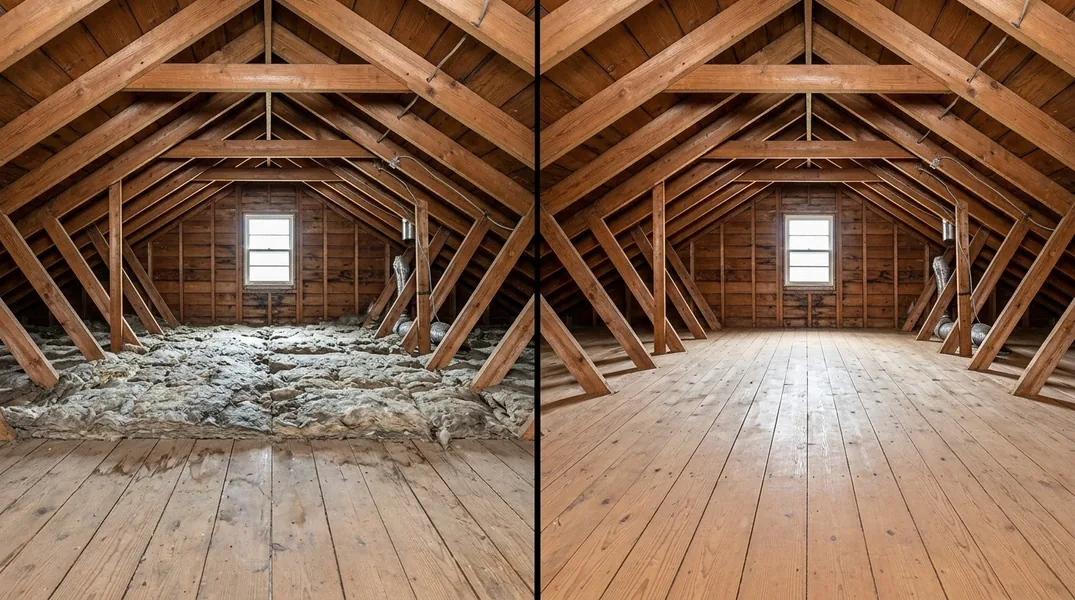
Beaverdale's charming brick bungalows from the 1920s and 1930s are architectural treasures that define the character of Des Moines. These homes feature beautiful craftsmanship, original hardwood floors, and solid construction that has stood the test of time. However, one challenge many Beaverdale homeowners face is energy efficiency. Most homes built during this era were constructed with minimal or no insulation, relying instead on thick masonry walls and natural air circulation to regulate temperature.
Today's energy costs and climate demands make upgrading insulation essential for preserving both comfort and home value. The good news is that modern insulation solutions like Attic Spray Foam Insulation can be retrofitted into these historic homes without compromising their original character. Unlike traditional fiberglass batts, spray foam expands to fill every gap and crack, creating an airtight seal that prevents heat loss during brutal Des Moines winters and keeps cool air inside during summer months.
Is Spray Foam Insulation Worth It for Older Homes?
When considering whether spray foam insulation is worth the investment, Beaverdale homeowners should evaluate both immediate and long-term benefits. The primary advantage is energy savings. Older brick bungalows typically lose 25 to 40 percent of their heated or cooled air through uninsulated attics, walls, and crawl spaces. By sealing these thermal leaks with spray foam, homeowners often see heating and cooling bills drop by 15 to 30 percent within the first year. Over a 20-year period, these savings can easily exceed the initial installation cost.
Beyond energy efficiency, spray foam insulation adds structural integrity to aging homes. The foam adheres to framing members and creates a rigid shell that can help strengthen roof and wall assemblies. This is particularly valuable for Beaverdale's older homes, which may have settled or shifted over the decades. Additionally, spray foam improves indoor air quality by reducing drafts and preventing outdoor pollutants from entering living spaces. For homeowners planning to stay in their historic bungalow long-term, the return on investment through comfort, durability, and resale value typically justifies the upfront expense. If you're ready to explore whether this upgrade makes sense for your property, contact Des Moines Spray Foam Insulation at (515) 633-1026 for a free estimate.
Is Spray Foam Insulation Safe? Understanding the Facts
Safety concerns about spray foam insulation are common, and understanding the facts helps homeowners make informed decisions. The primary safety consideration involves off-gassing during and immediately after installation. When spray foam is applied, chemical components react and expand, releasing volatile organic compounds (VOCs) into the air. However, professional installers follow strict protocols to minimize this risk, including proper ventilation, personal protective equipment, and post-application curing time before occupants re-enter treated spaces.
The two main types of spray foam, Closed Cell Spray Foam Insulation and Open Cell Spray Foam Insulation, have different safety profiles. Closed cell foam has a lower VOC emission rate and cures faster, typically within 24 hours, making it safer for occupied homes. Open cell foam takes longer to cure and releases more VOCs during application, but it's still considered safe when installed by certified professionals who follow EPA guidelines. Once fully cured, both types pose no ongoing health risks and actually improve indoor air quality by sealing out external pollutants and preventing mold growth in attics and crawl spaces.
The key to safe spray foam installation is hiring a reputable, licensed contractor who understands local building codes and uses quality materials. Des Moines Spray Foam Insulation employs trained technicians who prioritize safety at every step of the process.
Common Spray Foam Insulation Problems and How to Avoid Them
While spray foam insulation offers excellent performance, improper installation can lead to problems. One of the most frequently reported issues is incomplete coverage, which occurs when foam is not applied evenly or misses critical gaps. This reduces the R-value and allows thermal bridging, where heat escapes through uninsulated sections. Another common problem is over-application in enclosed spaces, which can create excessive pressure that pushes against drywall or structural members. Additionally, if spray foam is installed in areas with high moisture (such as crawl spaces without proper drainage), it can trap water and contribute to rot or mold growth.
Spray foam off gassing is another concern homeowners ask about. While some off-gassing occurs during and immediately after installation, the process typically completes within 24 to 72 hours depending on the foam type and ambient temperature. Proper ventilation during this period significantly reduces exposure. Selecting the right foam type for your application also matters. Closed Cell Spray Foam Insulation is ideal for attics and exterior walls because it resists moisture and provides superior air sealing. Open cell foam works better in interior wall cavities where moisture management is less critical.
To avoid these problems, work with experienced professionals who conduct thorough site inspections, use proper application techniques, and provide clear pre and post-installation instructions. A qualified contractor will assess your Beaverdale bungalow's specific needs and recommend the best solution for your situation.
Spray Foam Insulation Pros and Cons: A Complete Comparison
Understanding the full picture of spray foam insulation pros and cons helps Beaverdale homeowners decide if this solution matches their needs and budget. On the positive side, spray foam delivers superior air sealing compared to traditional insulation methods. It expands to fill gaps as small as one-quarter inch, creating an airtight barrier that fiberglass or cellulose cannot match. This translates to dramatic energy savings, improved comfort, and better humidity control. The durability is exceptional too. Spray foam lasts 80+ years without settling or degrading, unlike fiberglass batts that compress and lose effectiveness over time. For historic homes like Beaverdale's brick bungalows, spray foam also offers flexibility. It can be applied to attics, crawl spaces, rim joists, and even exterior walls through injection methods, making it adaptable to various home layouts and renovation scenarios.
The main drawbacks involve cost and installation complexity. Spray foam typically costs more per square foot than fiberglass or cellulose, though the long-term energy savings often offset this premium. Installation requires specialized equipment and training, so you cannot DIY the project. Additionally, if applied incorrectly, spray foam can trap moisture or create pressure issues. Off-gassing during application, while temporary and manageable with proper ventilation, requires occupants to vacate the home for 24 to 72 hours. Some homeowners also express concerns about the environmental impact of foam production, though modern formulations increasingly use recycled content and low-GWP (global warming potential) blowing agents.
For most Beaverdale homeowners, the pros significantly outweigh the cons, especially when working with a reputable contractor. The energy savings, longevity, and comfort improvements justify the investment over the home's lifetime.
Attic Spray Foam Insulation Near Me: When to Call a Professional
If you own a historic brick bungalow in Beaverdale and are noticing high heating bills, cold spots in upper rooms, or ice dams on your roof, it's time to consider professional attic insulation. The attic is typically the biggest culprit in energy loss from older homes. An uninsulated or poorly insulated attic can account for 25 to 40 percent of your home's total heat loss. Des Moines Spray Foam Insulation specializes in retrofitting older homes with modern solutions that preserve their character while dramatically improving performance.
During a professional assessment, our technicians will inspect your attic's current insulation levels, identify air leaks, check for moisture problems, and evaluate ventilation. We'll then recommend the best approach, whether that's Attic Spray Foam Insulation, Wall & Injection Foam Insulation, or a combination strategy. For Beaverdale's brick bungalows, closed cell foam is often the top choice because it provides excellent air sealing, resists moisture, and can be applied between existing rafters without major structural changes. The process is clean, efficient, and typically completes in one to two days depending on attic size.
Ready to stop wasting money on heating and cooling your uninsulated attic? Contact Des Moines Spray Foam Insulation today at (515) 633-1026 or request a free estimate to learn exactly how much you can save.
Looking for a professional spray foam insulation contractor in Des Moines? Des Moines Spray Foam Insulation responds fast for all your spray foam insulation needs.
Get a Free Quote